

Alopecia Areata: A Stylist's Guide to Bald Patches
Alopecia areata explained for stylists: the signs you may spot first, what to say when you find a bald patch on a client, cosmetic support and when to refer.
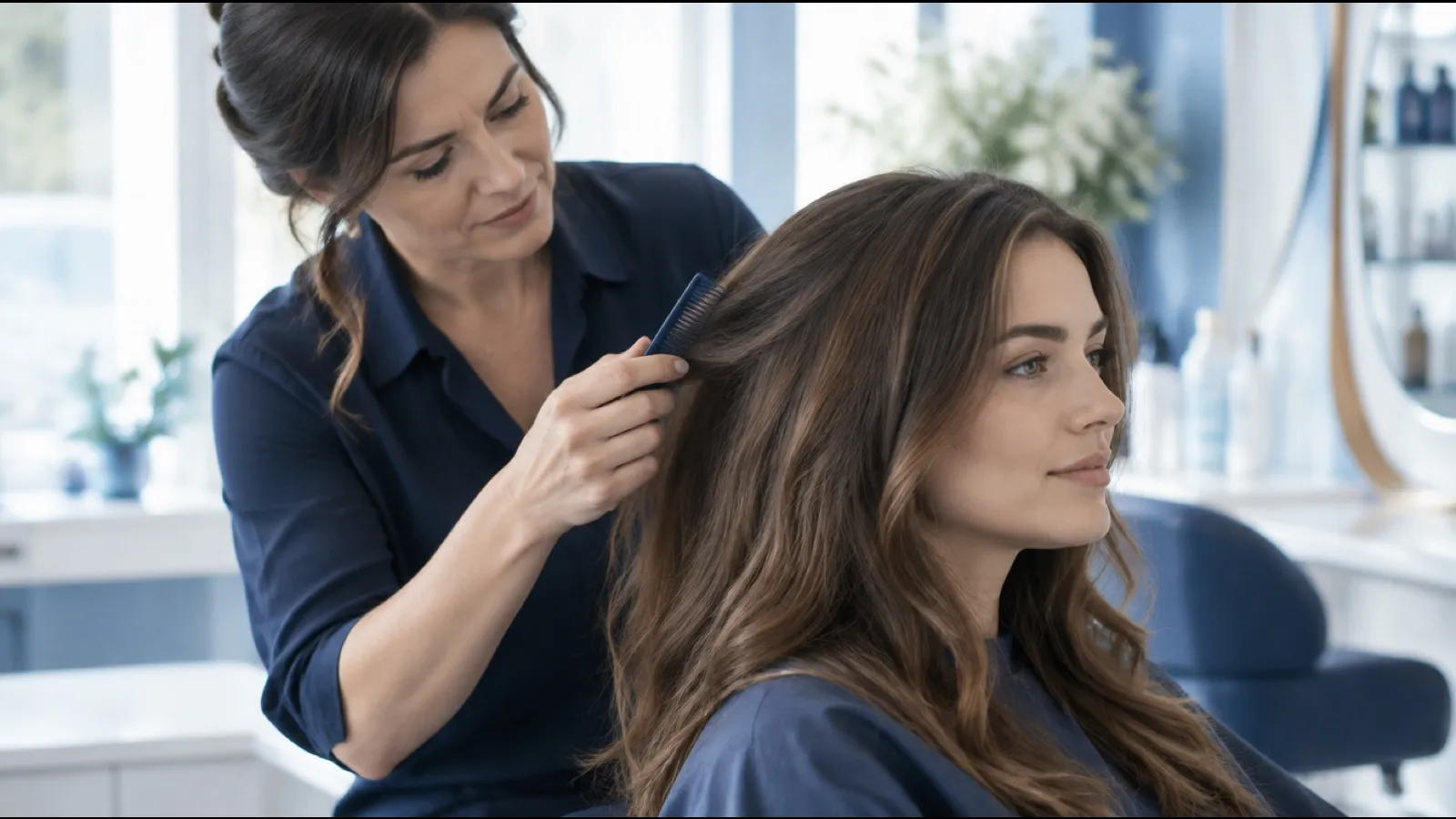
Alopecia areata is an autoimmune disease that causes hair loss, according to the American Academy of Dermatology (AAD). It often begins as a round or oval, smooth bald patch on the scalp or beard, and the person in the best position to see that patch first is usually a stylist or barber.
Many clients have no idea a patch is there, especially at the back of the head. How you tell them matters. This guide covers the alopecia areata signs described by medical sources, what to do if you find a bald spot on a client, how to support them cosmetically, and where your role stops. You recognize, support and refer. A dermatologist diagnoses and treats.
What is alopecia areata?
Alopecia areata is a disease in which the immune system mistakenly attacks hair follicles, causing hair to fall out. The AAD classes it as an autoimmune disease. It states that people of all races and genders develop it, and that it is the most common type of hair loss in children.
Key facts from the AAD and the National Institute of Arthritis and Musculoskeletal and Skin Diseases (NIAMS):
- Age: It can begin at any age. Most people get it in their teens, twenties or thirties.
- Not contagious: The AAD states the condition cannot spread from person to person.
- Family history: It can run in families.
- Related conditions: The AAD notes higher risk in people with other autoimmune conditions such as thyroid disease, vitiligo or psoriasis, and allergic conditions such as asthma, hay fever or atopic dermatitis.
- Course: Hair may regrow on its own, and new loss can begin while other areas regrow. The AAD states it cannot currently be cured, though treatment can help people regrow hair.
Alopecia totalis and other types
The AAD and NIAMS describe several forms. The names describe how much hair is lost and where.
| Type | What the sources describe |
|---|---|
| Patchy alopecia areata | One or more coin-sized patches. NIAMS calls this the most common type |
| Alopecia barbae | Patchy hair loss in the beard (AAD) |
| Ophiasis | A band or strip of hair loss on the scalp, often at the back of the head (AAD) |
| Alopecia totalis | Loss of all the hair on the scalp (AAD) |
| Alopecia universalis | Loss of all hair on the scalp and the rest of the body. The AAD notes this is rare |
What alopecia areata signs might a stylist see first?
The sign a stylist is most likely to see is a smooth, round or oval bald patch on the scalp or in the beard that appeared suddenly. NIAMS describes typical patches as about the size of a quarter. A client may have one patch or several of different sizes.
Other signs described by the AAD and NIAMS:
- Smooth skin in the patch. The AAD describes the patch as smooth.
- Exclamation point hairs. NIAMS describes short broken hairs around the edges of a patch that are narrower at their base than their tip.
- A band of loss at the nape. The ophiasis pattern runs along the back of the head and can extend toward the temples.
- Patches in the beard, brows or lashes. Barbers may see beard patches before the client does.
- Sensation. The AAD notes some people feel itching, tingling or burning where hair loss is about to occur or has occurred.
- Nail changes. About 10% to 20% of people with alopecia areata see nail changes, most commonly tiny dents, per the AAD.
- Regrowth. Hair may be growing back in one area while a new patch forms elsewhere.
A scalp scope makes short tapered hairs at a patch edge easier to see and gives you an image the client can take to their appointment.
What a bald patch on the scalp does not tell you
A bald patch on the scalp is an observation, not an answer. Other conditions also cause patchy loss, including tension from tight styles, hair pulling, fungal infection and scarring forms of hair loss. You cannot tell them apart with certainty in the chair, and you should not try to. Our overview of the types of hair loss for stylists describes how these patterns differ, and traction alopecia early signs covers the tension pattern.
If a patch shows scale, redness, pustules, pain or shiny scarred skin, stop any chemical service on that area and recommend a prompt dermatologist visit.
What should you do if you find a bald spot on a client?
Tell the client. Do it privately, calmly and in plain words, without naming a condition. Describe where the patch is and how big it looks, ask whether they knew, and recommend a board-certified dermatologist. Then carry on with the service in a way that protects their confidence.
Follow these steps:
- Pause and lower your voice. Do not react out loud or call a coworker over.
- Describe, do not diagnose. Location, size and what the skin looks like.
- Show them if they want to see. Use a hand mirror or a photo taken with consent.
- Recommend a dermatologist. The AAD states that board-certified dermatologists diagnose and treat this condition.
- Offer a practical next step. Style to cover the area today.
- Record it. Note size and position so you can report change at the next visit.
A script for telling a client kindly
"I want to mention something I noticed while sectioning. There is a small smooth area at the back, about the size of a coin, where there is no hair right now. Had you noticed it? It is not something I can identify, and there are several possible reasons. A dermatologist is the right person to look at it. I can take a photo for you to show them, and I can style today so it is fully covered."
What to avoid saying:
- "You have alopecia." That is a diagnosis.
- "It is probably just stress." The AAD describes an autoimmune disease, and blaming stress can add guilt.
- "It will grow back." Outcomes vary. The AAD notes many people do not see the regrowth they expect.
- Any product, supplement or treatment recommendation.
For more wording, see how to talk to a client about hair loss.
How can a stylist support a client with alopecia areata?
A stylist supports a client with alopecia areata through cosmetic work: cutting and styling to conceal patches, gentle handling, and guidance on hairpieces and head coverings. This is non-medical support that sits alongside the dermatologist's care. It often has a large effect on how the client feels day to day.
Styling and handling
The AAD's self-care advice for alopecia areata lines up with good salon practice:
- Use a soft-bristled brush and a wide-tooth comb.
- Keep styles loose. The AAD notes tight styles such as ponytails and cornrows can pull on the scalp.
- Limit heat where possible.
Cut and part placement can hide a patch well. Move the part, keep length over the area, and avoid short tapers that expose a nape patch unless the client asks for one.
Toppers, wigs and coverings
For larger areas, a client may want a topper, which covers part of the scalp, or a full wig. Describe the options generally and refer to a specialist fitter if you do not offer them. Ask before attaching anything to fragile surrounding hair. Avoid attachment methods that add tension.
The AAD also suggests hats, scarves or a wig for warmth and sun protection on bare areas, sunscreen of SPF 30 or higher on exposed scalp, and artificial eyebrows or eyelashes for people who have lost them.
Emotional sensitivity
Sudden hair loss can be distressing, and it is often visible to others. Small choices help:
- Seat the client away from the busiest part of the floor if they prefer.
- Ask before removing a head covering.
- Let the client set how much they want to talk about it.
- Do not share their situation with other staff without permission.
The AAD points people to the National Alopecia Areata Foundation for support. You can mention it without stepping outside your role.
When should you refer, and to whom?
Refer every client with an unexplained bald patch to a board-certified dermatologist. Alopecia areata is a medical condition, and the AAD states that dermatologists diagnose and treat it. Refer sooner if patches are multiplying, if brows or lashes are affected, or if the scalp looks inflamed or scarred.
A trained trichology professional can work alongside the dermatologist on the non-medical side: observation, documentation, cosmetic options and ongoing support. Clients can use the Find a Trichologist directory. Stylists and barbers who want structured education in recognizing hair and scalp conditions can look at the USTI trichology pathway or the barber trichology course. General referral triggers are covered in when to refer a client to a dermatologist.
You may be the first person to see alopecia areata on a client. Say what you see with care, keep the client looking and feeling like themselves, and send them to a dermatologist.
New to the field? Start with What is trichology? or look up a term in the trichology glossary.
Sources
Frequently asked questions
What is alopecia areata?
The American Academy of Dermatology describes alopecia areata as an autoimmune disease that causes hair loss. The immune system mistakenly attacks hair follicles. It often begins as a round or oval, smooth bald patch on the scalp or beard, and it can affect hair anywhere on the body. Dermatologists diagnose and treat it.
What should I do if I find a bald spot on a client?
Tell the client privately, calmly and without naming a condition. Describe what you see, its size and location, and ask whether they were aware of it. Recommend they see a board-certified dermatologist. Offer to style around the area, and with consent take a photo so the client can show their doctor.
Is alopecia areata contagious?
No. The American Academy of Dermatology states that this condition cannot spread from person to person. It is safe to provide services to a client with alopecia areata using normal sanitation. If a patch shows scale, redness, broken hairs or pustules, pause and suggest a dermatologist visit, since other conditions can also cause patches.
What are exclamation point hairs?
The National Institute of Arthritis and Musculoskeletal and Skin Diseases describes them as short broken hairs that are narrower at their base than their tip, found around the edges of a patch. They can be seen with magnification. Seeing them is an observation to pass on to a dermatologist, not a diagnosis.
What is the difference between alopecia areata, totalis and universalis?
Per the American Academy of Dermatology, alopecia totalis means a person has lost all the hair on their scalp. Alopecia universalis means loss of all hair on the scalp and everywhere else on the body, which is rare. Patchy alopecia areata, with one or more coin-sized patches, is described by the NIAMS as the most common type.
Does hair grow back with alopecia areata?
It can, but outcomes vary. The American Academy of Dermatology says some people regrow their hair and never have another episode, while many have a relapse within a year of regrowth. The AAD also states that alopecia areata cannot currently be cured. A dermatologist is the right person to discuss outlook and options.
Can stress cause alopecia areata?
The American Academy of Dermatology describes alopecia areata as an autoimmune disease. It lists family history, other autoimmune conditions and allergic conditions among factors that may raise risk. Avoid telling a client that stress caused their patch. That can add guilt and is not something a stylist can determine.
This article is educational and is not medical advice. USTI teaches professionals to recognize, support and refer.
Turn this knowledge into a certification.
Learn hair and scalp science with USTI educators, from your first course to clinical training.
Explore trichology coursesRelated articles
CCCA Hair Loss: Early Signs Every Stylist Should Know
CCCA hair loss often starts quietly at the crown. Learn the early signs a stylist may notice, how it differs from traction alopecia, and when to refer.
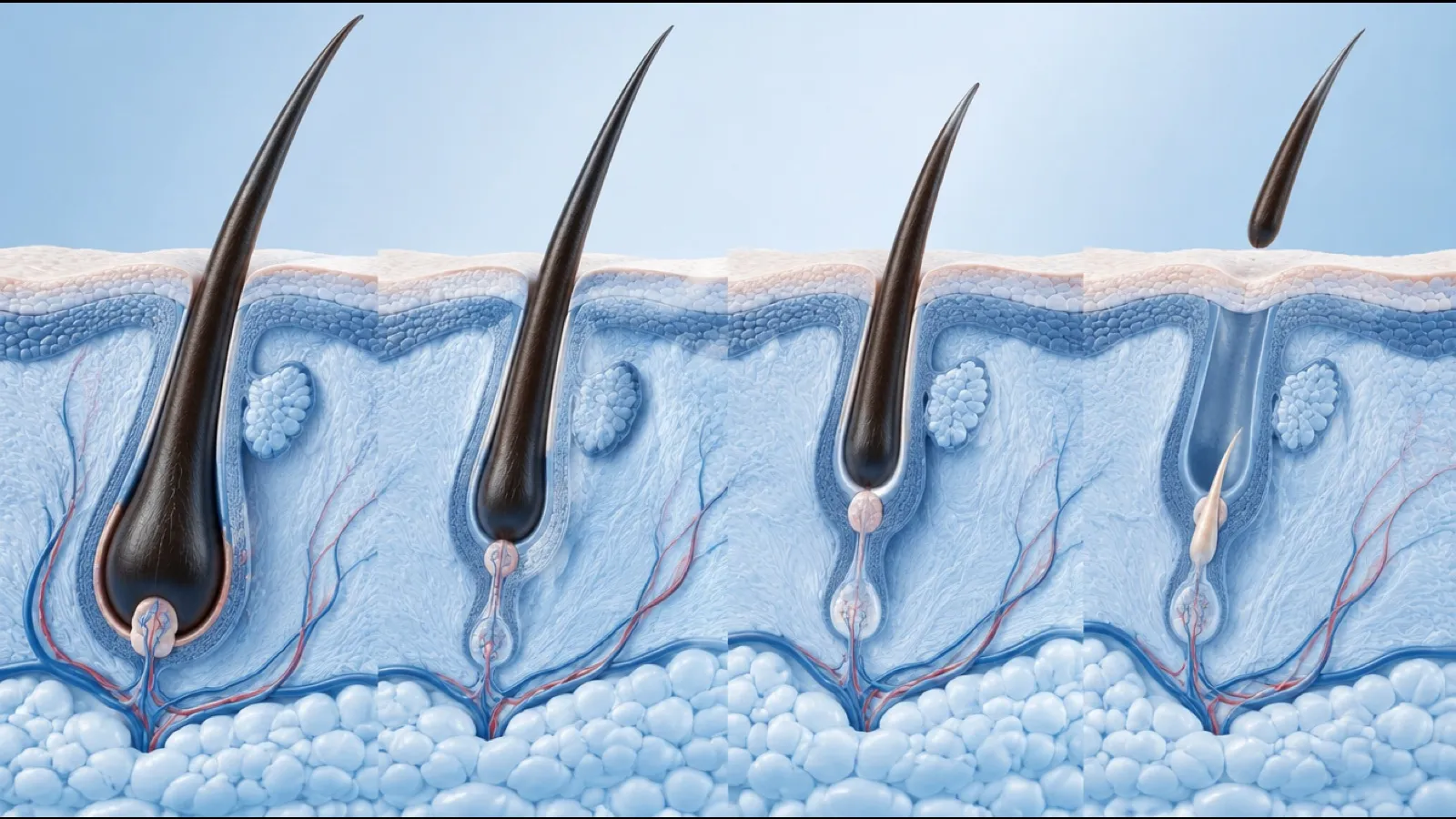
Hair Growth Cycle Stages: Anagen, Catagen, Telogen, Exogen
The hair growth cycle stages explained for stylists: anagen, catagen, telogen and exogen, how long each lasts by source and what the cycle means at the chair.
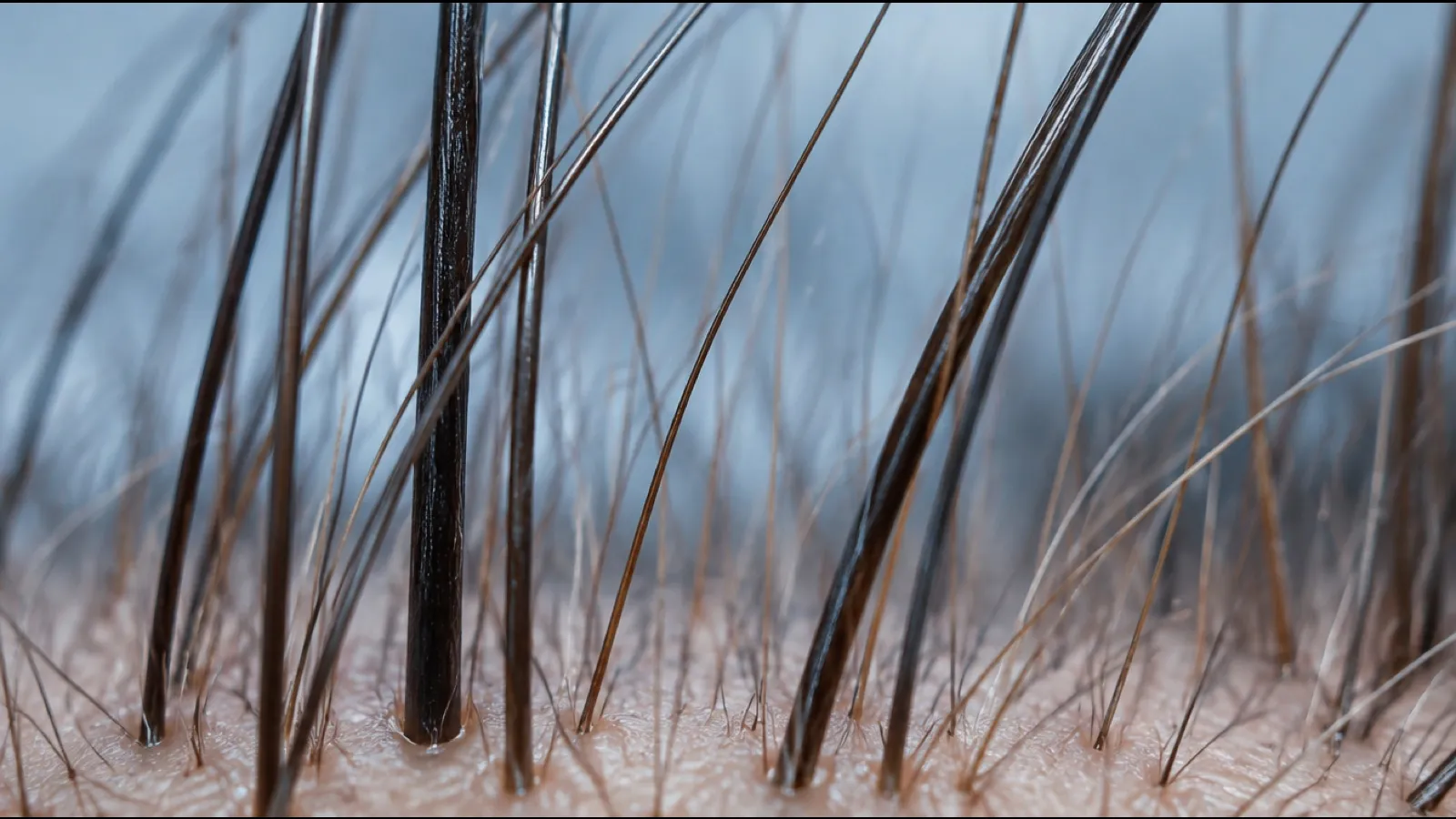
Hair Miniaturization: What It Is and What Stylists See
Hair miniaturization is the gradual shrinking of follicles so they grow shorter, finer hairs. What it may look like under a scalp scope and when to refer.